

Friends, readers, visitors, this blog has undergone a series of re-orientations over the past couple of years. Sometimes driven by my own evolving beliefs and sometimes adjusting to the events around us, I’ve worked to develop my own voice and identity.
I’ve been absent for some time. During these quiet months here, I’ve been facing treatment for the recurrence of my brain cancer, which is not a topic I’ve spoken much about in this space. I’ve also faced an overwhelming sense of horror, sadness, frustration, and fear, feelings that have visited anyone affected by the events in Israel-Palestine. My sense of Jewish identity, my brain cancer survivorship, and my disenfranchisement with the nationalist, supremacist, and hawkish attitudes of many Jewish institutions left me scrambling to offer constructive commentary.
While silent publicly, I have not been inactive privately. I’ve continued to read, study, and think carefully. I find it is time to emerge from my study and once again try to say helpful things in a public sphere. I hope you’ll welcome my commentary into your inboxes and into your thoughts. Today, I recommit to this work, with a clear statement of where we go next.
The term Sefarim Hitzonim (also transliterated as Chitsonim; pronounced first with the guttural ch, from the back of your throat, cheets-oh-neem), when combined with Sefarim translates to “external books” and refers to a category of Jewish texts that were not included in the canonical Jewish scriptures and were often viewed with suspicion or deemed heretical by the rabbinic authorities. These works are sometimes associated with the Apocrypha, a collection of ancient Jewish writings that were excluded from the Hebrew Bible.
The concept of Sefarim Hitzonim originates from debates among the sages about the permissibility of reading certain non-canonical texts. For example, the Jerusalem Talmud (Sanhedrin 10:1) and Babylonian Talmud (Sanhedrin 100b) mention debates over the reading of these external books, with prominent figures like Rabbi Akiva suggesting that engaging with such texts could cost you your share in the world to come!
The Sefarim Hitzonim were considered problematic because they were thought to contain ideas or narratives that contradicted or diverged from accepted Jewish thought and law. They were seen as a potential source of confusion or misguidance for the Jewish community, particularly for those not well-versed in the core tenets of Judaism.
In the context of our blog here, Hitzonim, I mean this name to evoke the spirit of exploring the boundaries of traditional Jewish thought and engaging with a wider range of Jewish literature, including our diasporic tradition, from points as sacred as the Babylonian Talmud, itself diasporic, written outside of HaEretz, or “the land,” referring to Judea and Samaria, modern-day Israel-Palestine and Syria, to the Bundhist notion of doikayt, or hereness, that focuses on building Jewish community and culture wherever we find ourselves in the world. So then, I am piecing together ideas that risk being heretical, both to canonical Jewish thought and to the political project of Zionism.
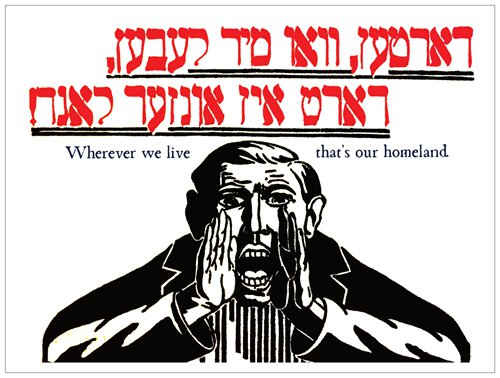
I am keen to tackle texts and ideas that have been marginalized or overlooked within the mainstream Jewish discourse, reflecting my own self-perceived marginalized status as outside the traditional Jewish community, having a strong matrilineal connection to my Jewish identity, but not having been raised Jewish.
Here is a kind of intellectual rebellion or outsider perspective within the Jewish diaspora. This approach aligns with the spirit of the Sefarim Hitzonim, inviting readers to explore the rich tapestry of Jewish literature beyond the canonical boundaries. These texts offer alternative narratives, philosophical musings, and insights that challenge the status quo of Jewish thought. They are the works that sparked debate among the sages, the books that dared to differ, and the literature that has, until now, lingered in the shadows.
Born from my own insecurity and perceived outsider status, and the commitment to diasporism that is both ancient and yet viewed from a contemporary perspective as anathema to political Zionism, Hitzonim invites you to commentary and books that lie beyond the traditional boundaries. New posts coming soon, subscribe to receive them directly in your inbox!

 Hitzonim | Outsiders

Leave a comment